
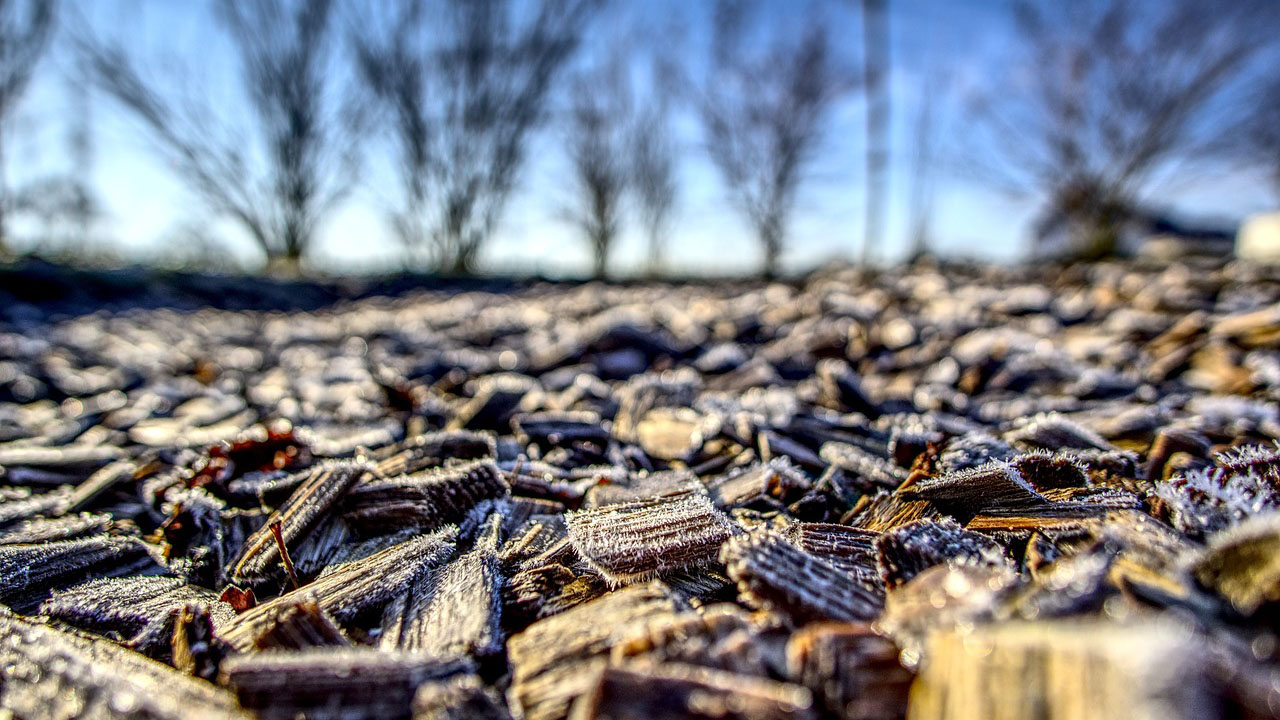
Fresh mulch is like the icing on the cake when it comes to landscaping your yard. After all the trimming, pruning, mowing, and planting, new mulch is the final piece that brings everything together. What many homeowners do not know is that mulch can actually be dangerous for their trees if spread incorrectly. Here are some tips on the right mulch to buy, the proper way of mulching around your trees, and what can happen from over-mulching.
Tree Issues from Over Mulching
Improper mulching can injure and kill your tree. Too much mulch piled up at the base of the tree trunk can do a lot of harm to your otherwise healthy tree. The “volcano” method is a very popular method of spreading mulch and is used by many landscapers who simply are not aware of the damage it can cause. Over mulching can lead to: oxygen starvation, inner bark death, tree fungus and excessive heat.
Oxygen Starvation
Tree roots need oxygen to grow properly, absorb nutrients and help to stabilize the tree. Mulch layers that are too thick create a barrier, making it harder for roots to get the oxygen they need. In turn, poor root growth depletes the tree from much needed nutrients to remain healthy.
Inner Bark Death
Inner bark (phloem) death occurs when mulch is covering the trunk flare and root tissues. The result of over mulching here is a constant wetness that the phloem cannot survive. The phloem carries photosynthates produced by the leaves to the rest of the tree, this process is vital to its survival.
Tree Fungus
Mulch retains moisture which can be a benefit to the tree when spread properly. However when mulch is too close to the trunk, the retained moisture against the hardened bark leads to rot.
Excessive Heat
As layers of wet mulch start to decompose, they may heat up (similar to composting). Temperatures in mulch piles can reach up to 140 degrees and may directly kill the inner bark of young trees.
How to Safely Spread Mulch Around Trees
Mulching is more than aesthetically pleasing, it mimics the natural forest floor where leaves and branches blanket the soil surface. This blanket replenishes nutrients as it decomposes and creates an ideal environment for root growth.
Benefits of Proper Mulching
- Retains soil moisture by slowing evaporation and increasing water infiltration
- Helps to prevent growth of weeds that compete with tree roots for water and nutrients
- Improves soil structure, fertility, and aeration as it decomposes
- Protects roots from extreme winter and summer temperatures
- Reduces potential tree damage from mowers and trimmers
Best Mulch for Trees
There are a variety of mulches available on the market and it can be a little daunting to figure out which one is best for your trees. Organic mulches are going to be the best choice for trees since they decompose improving soil structure and increasing soil fertility. Consider these organic mulches:
- Pine needles
- Cocoa Hulls
- Leaves
- Compost Mixes
- Wood Chips
- Hardwood Bark
- Softwood Bark
Tips On Spreading Mulch
There are a few things to keep in mind when spreading mulch around your trees. While you can spread mulch anytime during the year, be mindful of how often and how much you are mulching. You do not want to layer on mulch too thick; keep the mulch layer to 2 to 4 inches. You will want to mulch as much of the area around the base of the tree as possible, preferably to the outermost edge of the tree’s canopy or “drip line”. This edge changes over time as the tree grows. Keep the tree’s trunk free and clear of mulch. The root flare (where the trunk meets the soil) should show.
Rely on Blackhawk for All Your Tree Care Needs
Blackhawk’s ISA Certified Arborists can help evaluate your trees for overall health. Catching fungus early from over mulching early can help save your tree.
Find out how to properly care for, or remove, the trees around your home by calling Blackhawk Tree Services at (919)-469-1340. We are proud to be one of North Carolina’s most reliable tree service experts, specializing in everything from pruning to removal and beyond. We provide tree service in Raleigh, Fuquay-Varina, Morrisville, Cary, Holly Springs, and Apex areas.